
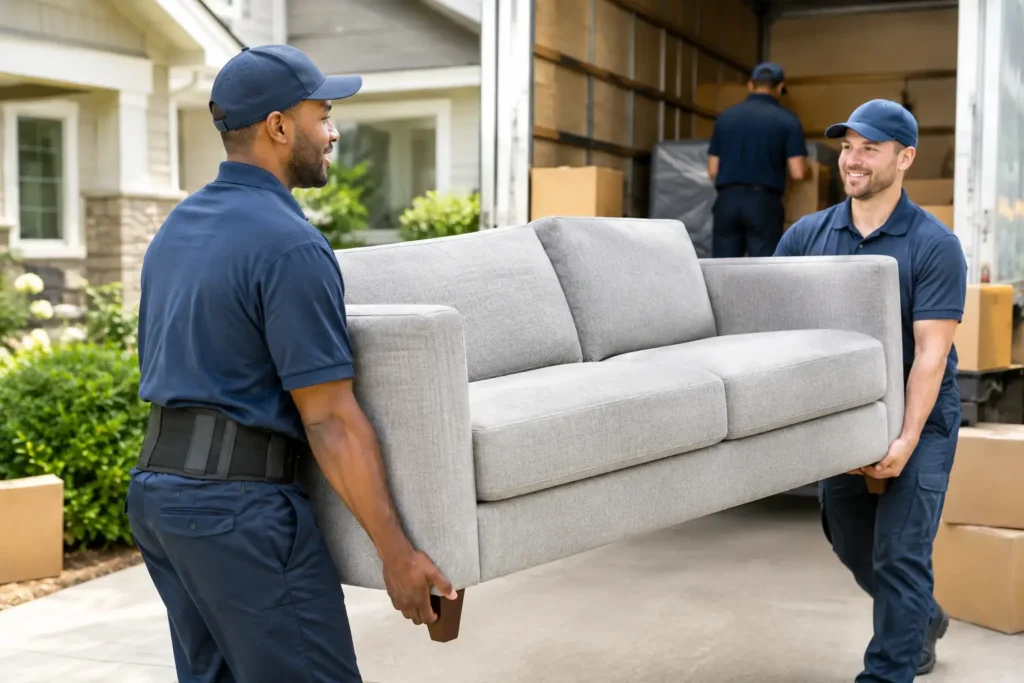
A sofa that will not clear the stairwell, a box of fragile glassware, and a move-out deadline do not leave much room for trial and error. Trained house movers bring order to the parts of moving day that usually cause the most stress: heavy lifting, careful packing, safe loading, and getting everything into the right room at the other end.
For a flat move in London, a family home move in Surrey, or a smaller relocation elsewhere in the UK, professional support is not simply about having extra hands. It is about having people who know how to handle belongings, work efficiently in tight spaces, and adjust when the day does not go exactly to plan.
What Trained House Movers Actually Do
A trained moving team does much more than carry boxes from a front door to a van. Before loading begins, they look at access points, stairways, parking arrangements, fragile items, and furniture that may need taking apart. This early preparation helps prevent delays and reduces the chance of damage.
They also understand how to lift and carry safely. Large furniture can be awkward even when it does not seem particularly heavy. Mattresses bend, wardrobes shift, and appliances have weight in all the wrong places. Proper lifting methods, teamwork, and the right moving equipment protect both your items and the people handling them.
Loading is another skill that makes a real difference. A well-loaded vehicle is not just filled quickly. Boxes are stacked according to their weight and strength, furniture is secured, and fragile items are placed where they are less likely to move during transport. The aim is to arrive with your belongings in the same condition they left.
At the destination, trained movers can place boxes and furniture in the rooms you specify. That may sound like a small detail, but it saves hours of dragging heavy items from one room to another after a long day.
Why Experience Matters on Moving Day
Most moves have at least one complication. There may be no elevator, a narrow hallway, limited parking, a late key handover, or a piece of furniture that looked much smaller in the listing photos. An experienced team is better prepared to assess the situation and find a practical solution without creating unnecessary pressure.
This is particularly useful in busy areas of London, where parking restrictions and access can shape the entire schedule. It also matters in older properties around Surrey, where staircases, door frames, and driveways may not suit a standard approach. A trained crew can plan around these conditions rather than treating them as a surprise.
Experience also helps with pace. Moving quickly is useful, but rushing carelessly is not. The best movers balance efficiency with attention, keeping the day moving while taking extra care with mirrors, electronics, antiques, artwork, and other items that deserve it.
Care for the Things You Use Every Day
Not every valuable item comes with a high price tag. A child’s bedroom furniture, a favorite armchair, family photos, and the kitchen equipment you use each morning all matter. Good movers recognize that a home is full of belongings with practical and personal value.
Clear labeling helps, but communication matters just as much. Tell your movers which boxes are fragile, which furniture has loose parts, and what needs to be unloaded first. If something needs special handling, mention it before moving day when possible. That gives the team time to bring suitable materials or plan the work properly.
When a Man and Van Is Enough – and When It Is Not
A man-and-van service can be an affordable, practical choice for a studio, a student move, a few bulky purchases, or a partial load. If you have packed everything, can manage some lifting yourself, and have straightforward access at both properties, it may be all you need.
A full removal service is usually the better option for larger homes, families, busy professionals, or anyone moving under time pressure. With packing, loading, transportation, unloading, and furniture support handled by one team, there are fewer jobs left for you to coordinate.
The right choice depends on the volume of belongings, the distance, access conditions, and how much help you want. A lower-cost option is not always the best value if it leaves you hiring equipment, asking friends to lift heavy furniture, or taking days away from work to pack and organize everything yourself.
Packing Support Can Prevent Common Problems
Packing is one of the most underestimated parts of a move. Boxes that are too heavy can split or become unsafe to carry. Underfilled boxes can collapse when stacked. Fragile items need wrapping and cushioning, while electronics, cables, and hardware need to stay organized.
Professional packing support is helpful when time is short or when you have delicate, high-volume, or difficult-to-pack items. It can also make the first evening in your new place much easier. Clearly marked boxes and a sensible packing plan mean you can find essentials such as bedding, medication, chargers, toiletries, and basic kitchen items without opening everything.
If you prefer to pack yourself, start earlier than you think you need to. Pack rarely used items first, keep a separate essentials box, and avoid mixing heavy books with lighter fragile items in the same carton.
Questions to Ask Before Booking Movers
Before choosing a moving company, ask what is included in the quote and whether the service is tailored to your move. A clear quote should reflect the size of the property, amount of furniture, travel distance, access details, and any extra services such as packing or dismantling.
It is also sensible to ask about insurance coverage and the process for reporting an issue. Dencomovers provides visible insurance coverage up to £5,000, giving customers added reassurance while their belongings are being handled and transported. Insurance does not replace careful work, but it is an important sign that a company takes responsibility seriously.
Availability and communication deserve attention too. A moving company should be responsive before the booking, not only after it. If you need to update an inventory, confirm an address, discuss parking, or adjust a date, you should be able to reach someone who can help.
Finally, be honest about the job. Mention upper-floor apartments, oversized furniture, storage stops, long walking distances, and items that need disassembly. Accurate information leads to better planning, the right vehicle, and a smoother quote process.
How to Help Your Movers Work Efficiently
Even with a trained team, a little preparation can make the day calmer. Reserve parking where needed, make sure walkways are clear, and keep pets and young children safely away from loading areas. Have keys, documents, and your phone charger with you rather than packed in a box.
Walk through the property with the crew before work begins. Point out anything staying behind, anything especially fragile, and boxes that need to go to a particular room. At the new property, a quick room-by-room direction can prevent confusion and save time later.
You do not need to manage every lift or stand over every box. Once you have shared the key details, give the moving team room to do the job they are trained to do. That is often the point at which a demanding move starts to feel manageable.
A well-planned move is not about eliminating every unknown. It is about having capable people beside you when the heavy, awkward, and time-sensitive parts need handling with care.