
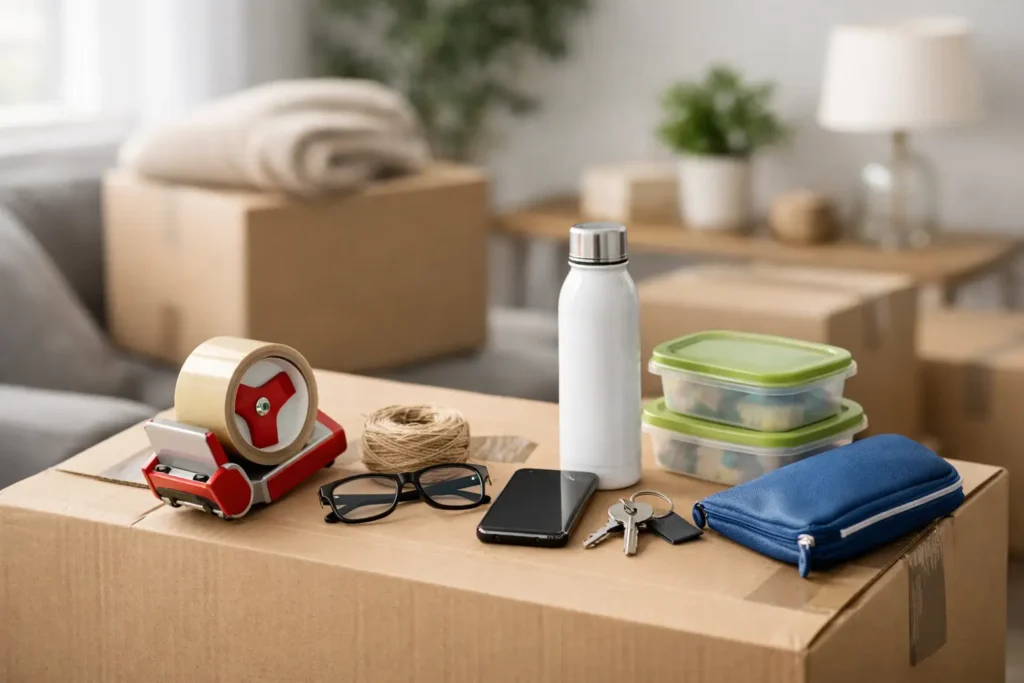
The last box has been loaded, the keys are in your hand, and suddenly you need a phone charger, toilet paper, and the paperwork for your new place. That is why a practical moving day essentials list matters. It keeps the things you need close by while everything else is packed away, helping your move feel more controlled from pickup to your first night.
A moving day bag is not the same as a box labeled “important.” It should contain the items you may need at a moment’s notice, whether you are moving across town, relocating to a new city, or managing a small office move. Keep it with you in your car or in a clearly designated spot, rather than sending it in the moving truck.
Your Moving Day Essentials List Starts With Documents
Moving paperwork is easy to misplace when you are handling keys, boxes, calls, and last-minute cleaning. Put all documents into a waterproof folder or zippered pouch before moving day arrives.
This should include your photo ID, lease or closing documents, new address details, moving company confirmation, contact numbers, parking permits, and building access information. If you are moving into an apartment or a building with a concierge, keep elevator reservations and move-in instructions on hand too.
For families, add school records, medical information, and any documents your children may need right away. Small-business owners should keep client files, employee records, equipment inventories, and essential passwords secured separately from the main load.
It is also sensible to carry a small amount of cash and a payment card. You may need them for parking, food, unexpected supplies, or gratuities. Avoid keeping large amounts of cash in a box or drawer that will be loaded with household items.
Keep a Personal Bag for Each Person
Treat moving day like a short trip. Each person should have a backpack or overnight bag with enough supplies to get through the day and the following morning without unpacking.
Pack a change of clothes, comfortable shoes, pajamas, underwear, medications, glasses or contact lens supplies, and basic toiletries. Include a toothbrush, toothpaste, deodorant, soap, shampoo, and a towel. If the move involves rain, cold weather, or a long wait between properties, add a jacket and weather-appropriate clothing.
Parents should pack more than they think they will need for young children. Diapers, wipes, formula, bottles, snacks, a change of clothes, medication, and one familiar comfort item can prevent a difficult day from becoming overwhelming. For older children, a tablet, book, headphones, or small activity bag can help during loading and travel.
Pets need their own essentials as well. Bring food, water, bowls, a leash, waste bags, medication, and a blanket or toy that smells familiar. If possible, arrange for a friend, family member, or pet sitter to look after them during the busiest part of the move. Doors are opening frequently, and a stressed pet can slip out quickly.
Pack a First-Night Box for the New Home
Your first-night box should be the first box unloaded and the last one loaded. Label it clearly on every side, and tell your movers where it is going. It is best to use a sturdy plastic tote or a bright, easy-to-spot box.
Your first-night supplies should cover the basics:
- Toilet paper, hand soap, paper towels, trash bags, and cleaning wipes
- Phone chargers, power banks, extension cords, and a multi-outlet power strip
- Bottled water, easy snacks, coffee or tea, mugs, and disposable plates and utensils
- A box cutter, scissors, tape, markers, basic tools, and a flashlight
- Bedding, pillows, pajamas, and towels for everyone staying overnight
- Cleaning spray, a sponge, dish soap, and a small broom or vacuum
Not every move requires the same setup. If your new home is fully cleaned and ready to go, you may need fewer cleaning supplies. If you are arriving late, moving with children, or waiting for utilities to be connected, this box becomes far more important.
A small first-aid kit is also worth carrying. Include bandages, antiseptic wipes, pain relievers, allergy medication, and any prescription items. Moving involves lifting, opening boxes, and unfamiliar rooms, so small cuts and headaches are not unusual.
Protect Valuables and Irreplaceable Items
Some belongings should travel with you, not in the moving vehicle. Jewelry, passports, family photos, heirlooms, laptops, external hard drives, and sentimental items are often small enough to carry safely yourself.
Back up important files before moving day, especially if you work from home or are relocating a small office. Keep your laptop charger, work phone, access cards, and any essential documents in your personal bag. This allows you to stay available if a client, colleague, or service provider needs to reach you.
Insurance provides useful protection, but it is still wise to take responsibility for items that cannot easily be replaced. Dencomovers provides trained moving support and visible insurance coverage for added peace of mind, while customers can keep their most personal valuables close throughout the journey.
Food, Water, and Energy Matter More Than You Think
Moving day is physical, even when professionals handle the lifting. You may be walking between rooms, answering questions, cleaning, checking inventory, and managing keys for several hours. Skipping meals usually makes the day harder.
Pack water bottles, shelf-stable snacks, fruit, sandwiches, and anything needed for dietary requirements. Avoid relying on finding food during the move, especially if you have a tight schedule or are traveling between areas. Restaurants may be closed, parking may be limited, and unpacking can take longer than expected.
If you plan to order dinner at the new place, keep your phone charged and save the new address correctly. It sounds simple, but this is a common detail people overlook when tired after a long day.
Tools and Supplies for Last-Minute Problems
A few practical supplies can solve many common moving-day issues. Keep a small toolkit accessible with a screwdriver set, hammer, adjustable wrench, Allen keys, measuring tape, and utility knife. You may need to remove table legs, reassemble a bed frame, tighten a loose fitting, or measure a doorway before bringing in larger furniture.
Also bring spare batteries, light bulbs, a flashlight, and a portable charger. Do not assume every room will have working lights or easily accessible outlets when you arrive. If you are moving into a rental, take photos of the condition of each room before unpacking. Focus on walls, floors, appliances, existing damage, and meter readings.
Prepare the Day Before the Move
The best moving day essentials list is only helpful if it is ready before the morning rush. Pack your personal bags and first-night box the day before. Charge all devices, confirm your mover’s arrival window, and place keys, documents, and medication in one secure location.
Set aside anything that must not be packed, such as cleaning supplies you still need, items returning with a landlord, or furniture staying behind. If movers are handling packing and loading, walk through the property before they arrive so you can identify fragile items, priority boxes, and anything that needs special attention.
You do not need to organize every detail perfectly. A well-planned move allows room for the unexpected, whether that is traffic, weather, a delayed key handoff, or a box that takes longer to unload than planned.
Moving is a big change, but the right essentials give you a dependable base when the day gets busy. Keep your important items within reach, let professional movers handle the heavy work, and give yourself permission to unpack the rest one room at a time.